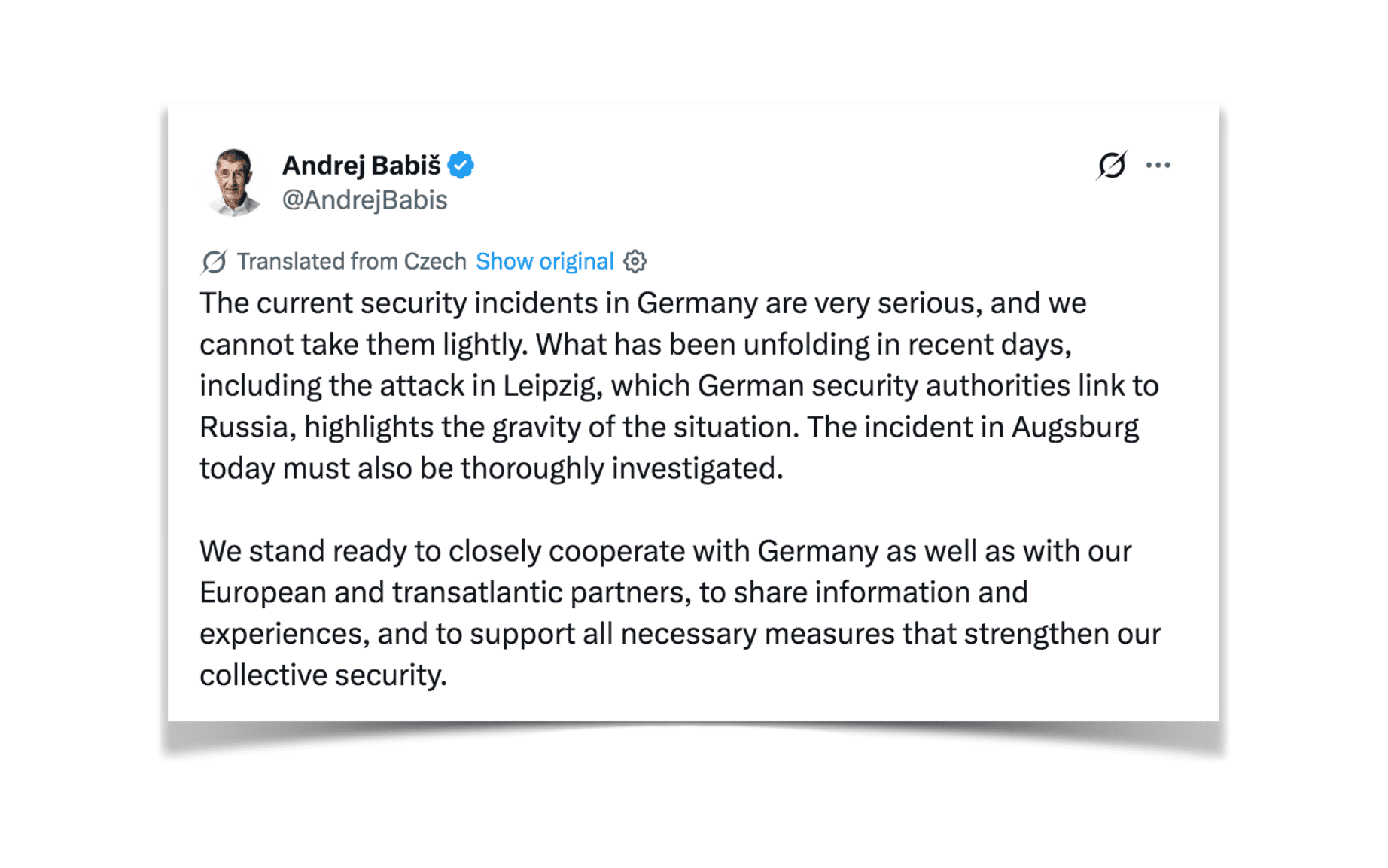
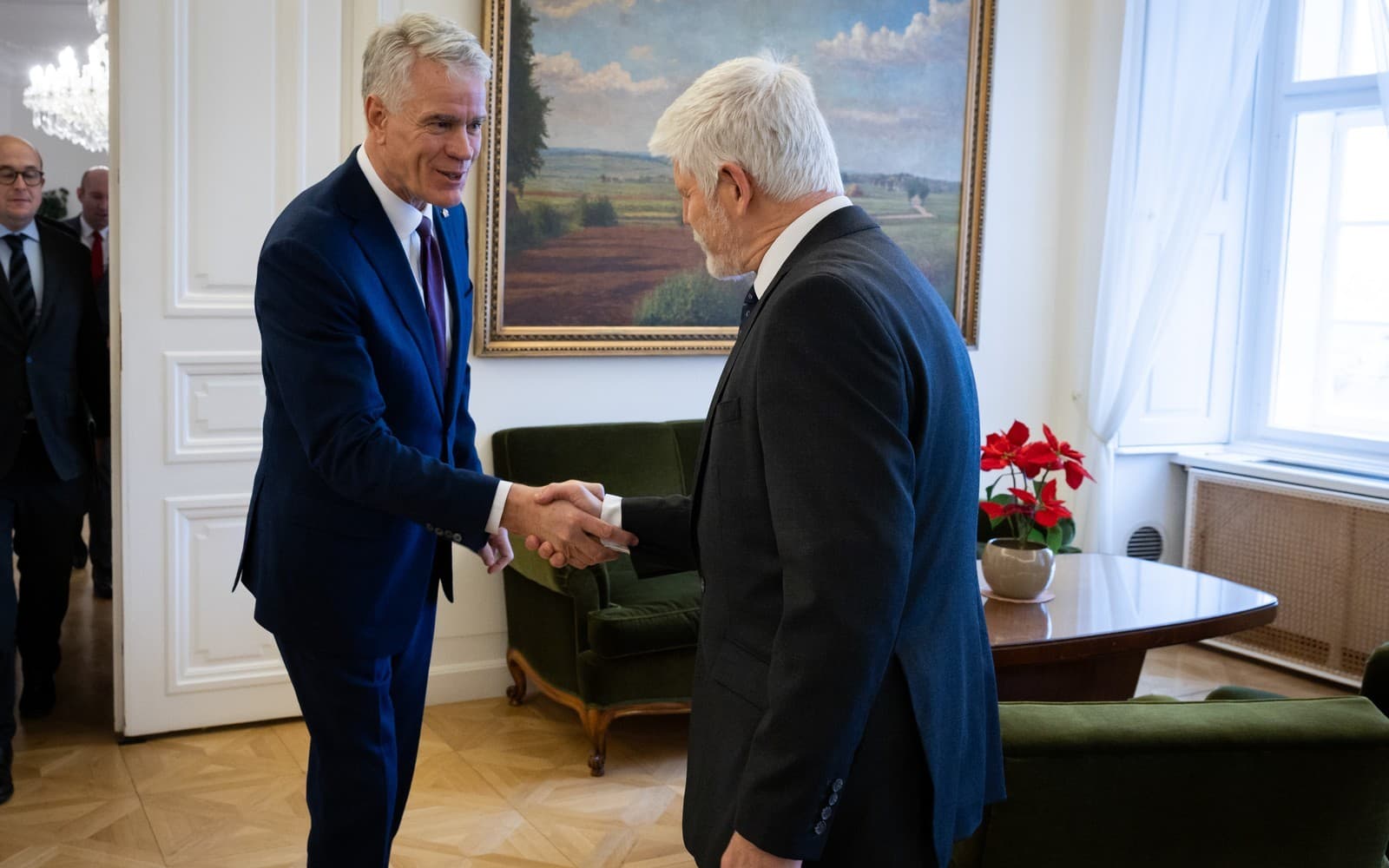
It's a strange way to support AfD if Russia is trying to blow up airplanes and is engaging in other acts of sabotage across Germany in the days and weeks before the state elections on Sun. in Saxony-Anhalt. Vladimir Putin must think that his "attempts to destabilize, spread disinformation, threaten, sabotage and show aggression towards Europe," as German Foreign Min. Johann Wadephul referred to it on Tues., will be seen as German provocation or false flags by a significant portion of AfD's potential voters and will in fact boost the party at the polls. German officials apparently don't see it this way, otherwise they wouldn't have timed their announcements and articles about AfD to coincide with the elections. Could spymaster Putin understand the mentality in his old playground (East Germany) better than the experts in Berlin? If so, Czech PM Andrej Babiš, Foreign Min. Petr Macinka and Pres. Petr Pavel are playing right into Putin's hands by supporting their German colleagues so vocally.
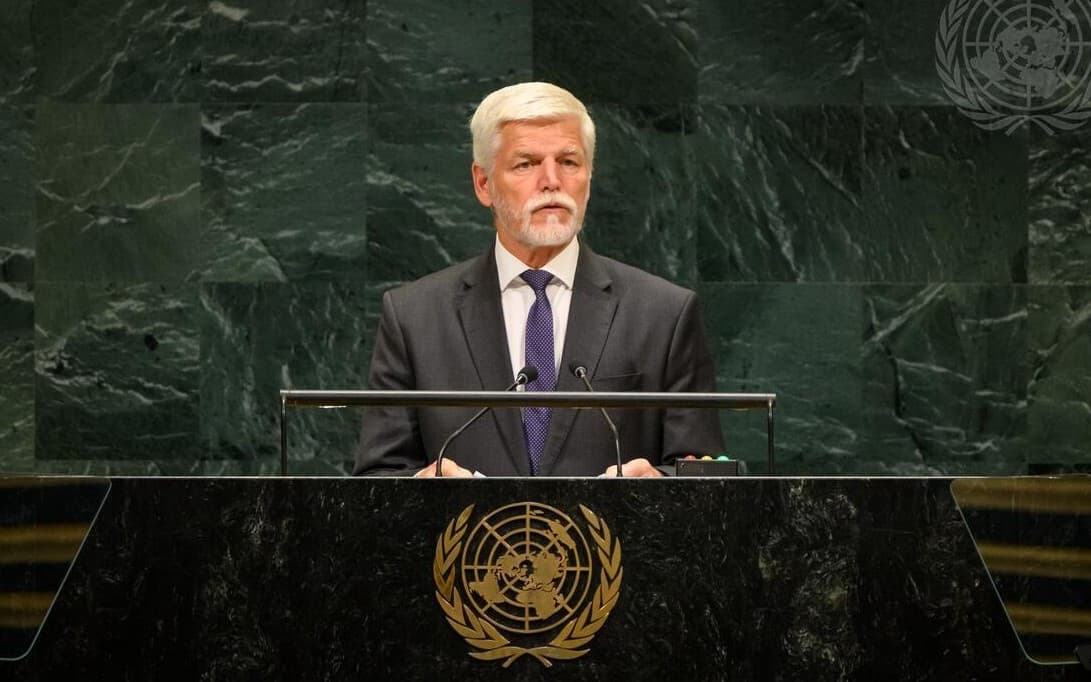
Pres. Petr Pavel's speech at the U.N. General Assembly yesterday must be considered official Czech foreign policy, esp. after the way PM Andrej Babiš said in Parliament on July 2 that the cabinet would prepare the speech and then instruct Pavel to read it. "That's the way it works," Babiš said then. Pavel's comments yesterday about China and Russia were nothing new, except in the context of advances in artificial intelligence. "If AI is to serve humanity," he said, "it must develop within a framework of international rules. No country, and no company, can meet this challenge alone. We need common standards, meaningful public oversight and clear mechanisms of accountability." On the one hand Pavel said that the future legitimacy of the U.N. depends on whether it can be reformed to adapt to a world of growing geopolitical rivalry and fragmentation. Yet on the other hand he - and the Czech government - apparently want AI to be governed now by the very U.N. structures that are failing to adapt. Perhaps the next step will be to support a non-proliferation treaty that guarantees that only a few countries will ever have control over AI.
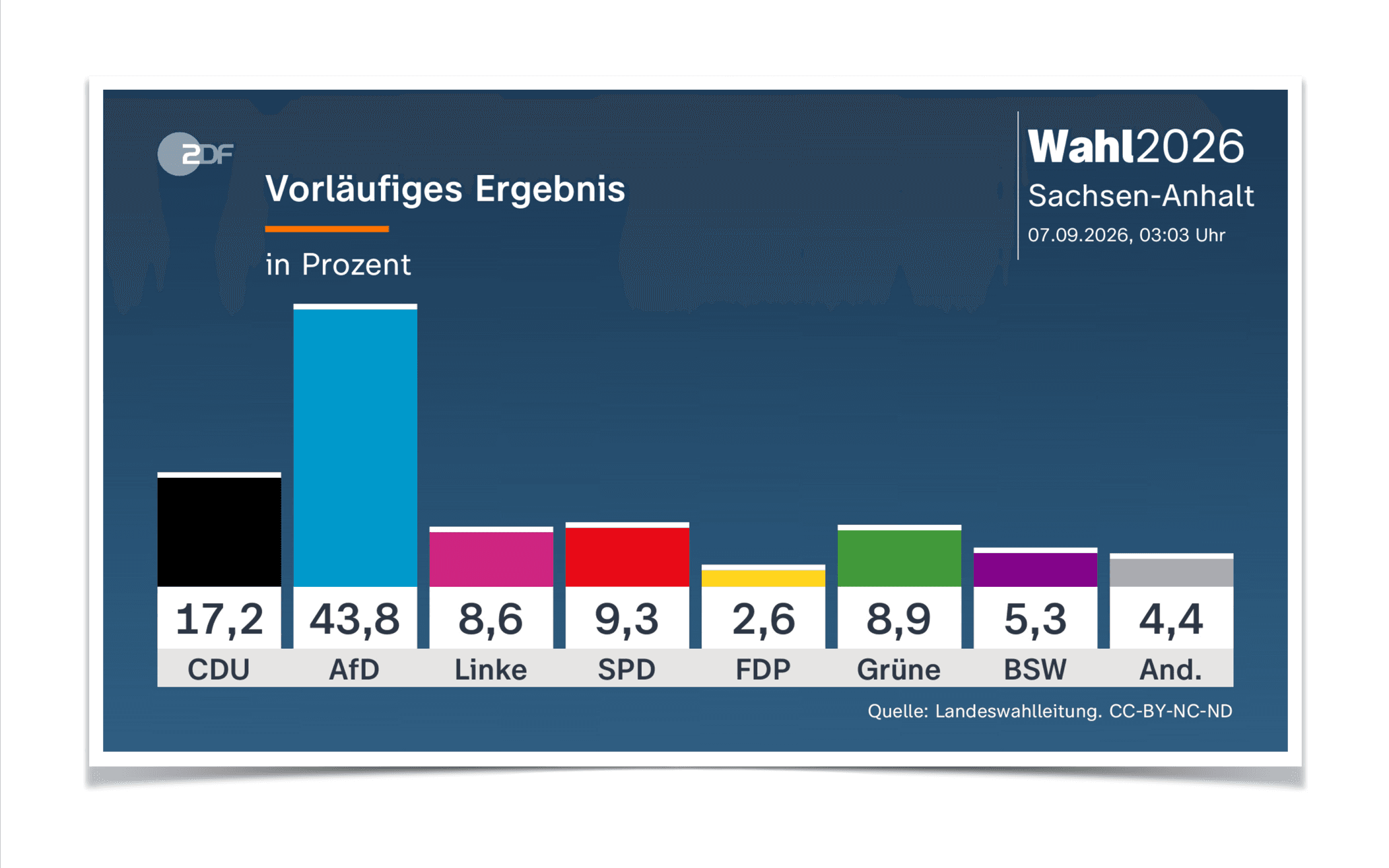
Yesterday's election results in Saxony-Anhalt are bad news for Czechs, regardless of whether they're fans or detractors of AfD. Such a lopsided victory by AfD against the two parties of the national coalition, CDU and SPD, shows the extent to which Germany is falling apart. How the mainstream parties now react to the intruders from AfD will have a tremendous impact on neighboring countries. Czech-German relations have gone through two main phases since 1989. There was initially a powerful, pervasive feeling that Germany represented the ultimate standard for economic success, institutional order and democracy. This started to change with Wir schaffen das, the Green Deal and deindustrialization, causing some Czech economists and businesspeople to warn against excessive dependence on German industry. The third phase is almost the complete antithesis of the first. The default assumption should now be that nothing good comes out of Germany. If this thesis is ever proven wrong, it will be a pleasant surprise.
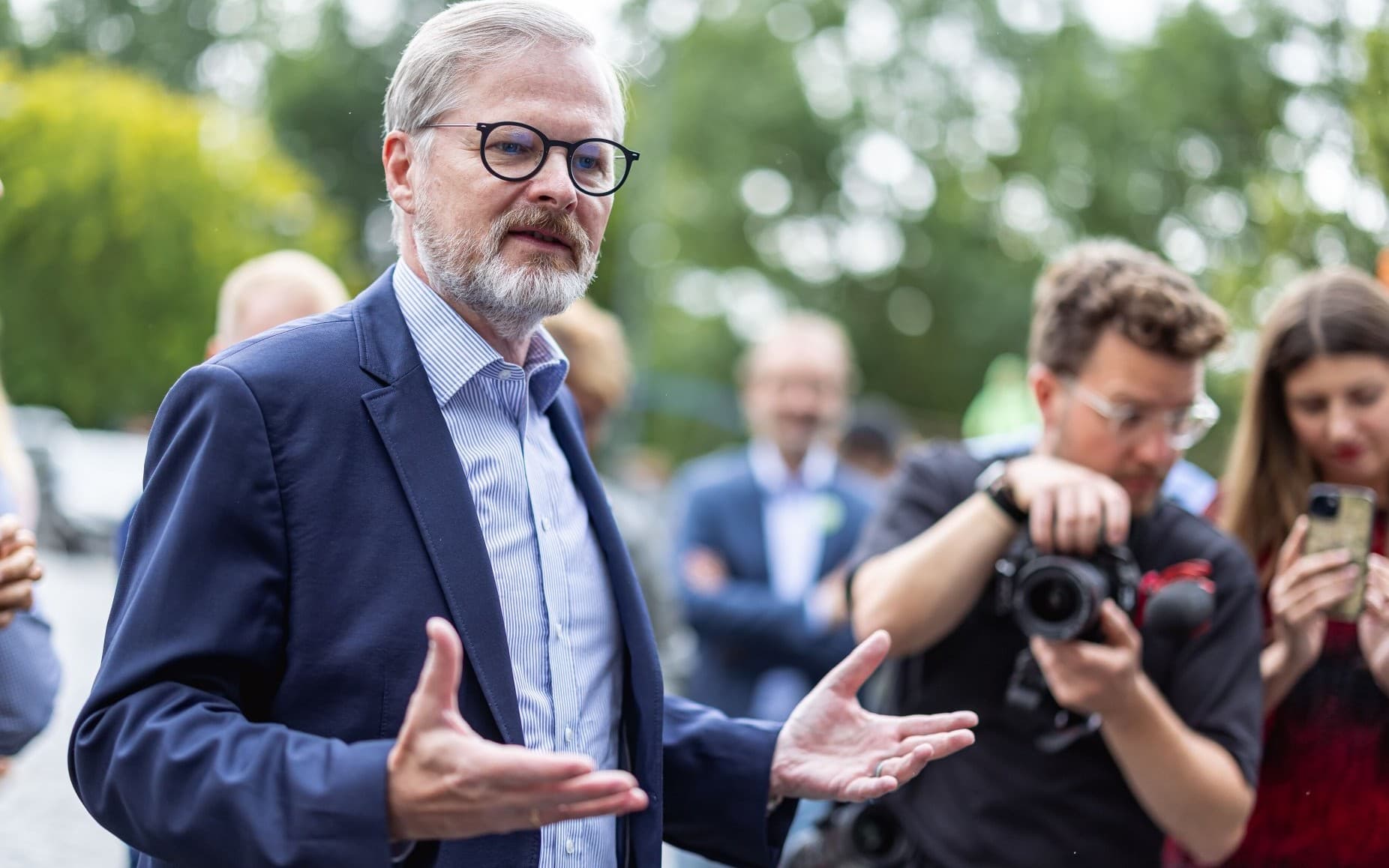
Prague probably won't be ODS's Saxony-Anhalt, but if the party does as poorly in the capital city in the elections in Oct. as indicated by a new Median poll, Martin Kupka and Tomáš Portlík will have some explaining to do. It would be a case of poetic justice if ex-PM Petr Fiala returned to run his party, given the way Kupka allegedly forced him out after the parliamentary elections. But it would also be ironic if the Czech version of Friedrich Merz had a comeback just as the real thing was being buried. It would show to what degree ODS had failed to understand what's happening in Western Europe. Fiala's tweets after the CDU disaster in Saxony-Anhalt boil down basically to a Merz-like call for "even more democracy," which sounds nice but actually means the opposite. ODS's only hope, with or without Fiala, is to take back the ground on the Right that it's losing to Moto and Our Czechia and to become the real correction to Andrej Babiš.
The government of Andrej Babiš is in the uncomfortable position of being criticized by Pres. Petr Pavel, U.S. Amb. Nicholas Merrick and the opposition for not putting enough money into defense and at the same time of not being able to talk openly about how much it actually plans to spend. During its four years in office, the ANO-SPD-Moto coalition in fact plans core defense outlays of Kč 780bn, which is just 2% of GDP but is more in current prices than the total defense expenditures in 2016-2024 and 50% more than the Fiala government devoted to defense during its four years in office. Explaining such big numbers to voters of the ruling coalition won't be easy. Yet Pavel and the opposition want even more. Pavel's demands for the 2026-2029 tenure of the current government add up to about Kč 1 trillion, taking into account GDP growth and an incremental increase toward the 5% Nato target. One trillion crowns is Kč 200m for each of the CR's 5,000 combat-ready soldiers. As the commander-in-chief, Pavel should explain in more detail how he expects this unprecedented amount of money to be spent.
Geely of China is expanding into Europe, according to CEO Hakan Samuelsson of Volvo Cars, and Volvo will be its strong premium brand. We can learn from the Chinese, he told Handelsblatt, and we need to be open to their innovations. "In this industry," he said "you have to value the competition." Samuelsson's successor by Oct. 1 of next year will be outgoing Chair Klaus Zellmer of Škoda Auto. He's leaving a company that has played a historic role in turning Chinese car manufacturers into such valued competitors. Škoda not only participated in the decades-long transfer of technology to China, but it also helped to mask the gradual financial drain on Volkswagen caused in part by that handover of know how. Škoda's low costs have made it a star in the VW group, but Samuelsson said that the move to the East of European carmakers reminds him of the way American brands shifted production to the Southern U.S. states. Look what happened to Detroit, he said. And now Zellmer is joining Chinese-owned Volvo, whose parent has overtaken VW in China and will consider its chief rival in Europe to be BYD.
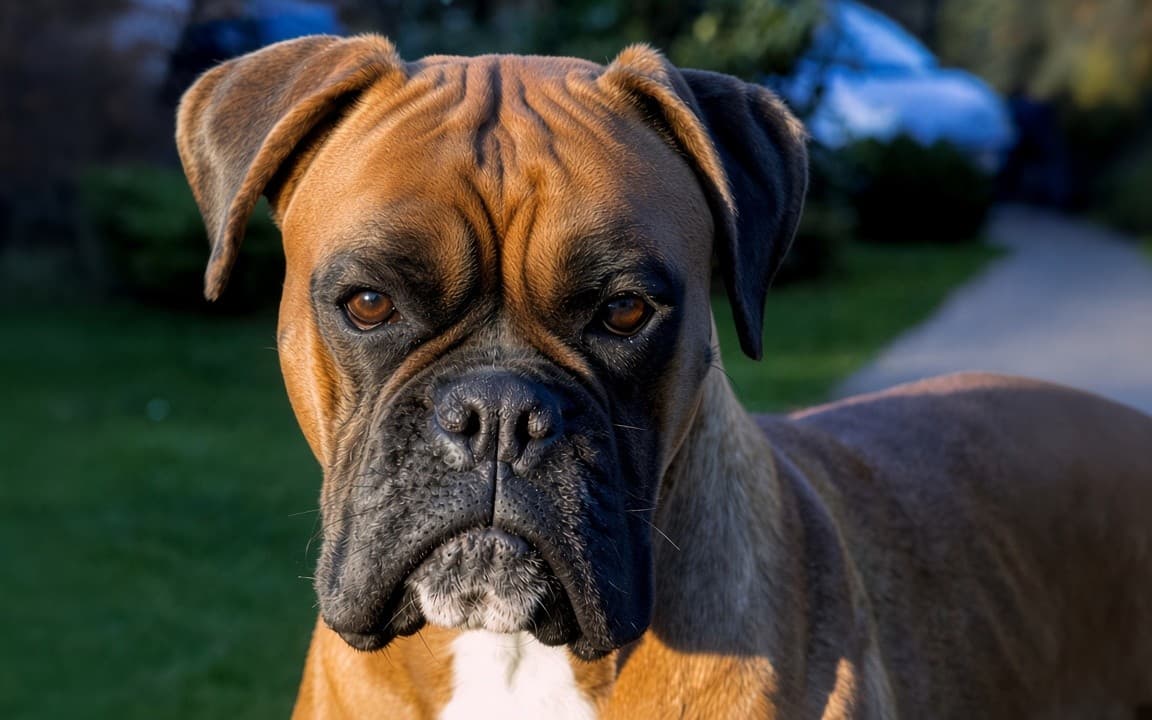
A man was arrested in Surrey, England, in late Aug. for four offenses under the Dangerous Dogs Act. No one was injured, but after an investigation the man was issued with a police caution and an Anti-Social Behavior Warning Letter. Any further offense can now be dealt with swiftly through both criminal and anti-social behavior legislation. According to the Surrey Police, it’s an offense to let a dog be dangerously out of control in either public or private. A dog is considered to be out of control if it injures someone or if it makes someone worried that it might injure him or her. Merely allowing a dog to cause fear of injury is an infraction. Compare that to the way the owners of AI get away with raising their animals. They rush to breed apex predators for fast profit, ignoring genetic stability and safety protocols. When the beasts break out of their cages and start roaming the neighborhood, causing all of humanity to fear for its life, the owners throw up their hands ... and start adding zeros to their valuations. No one even thinks to arrest them and to issue them with a police caution or Anti-Social Behavior Warning Letter.